
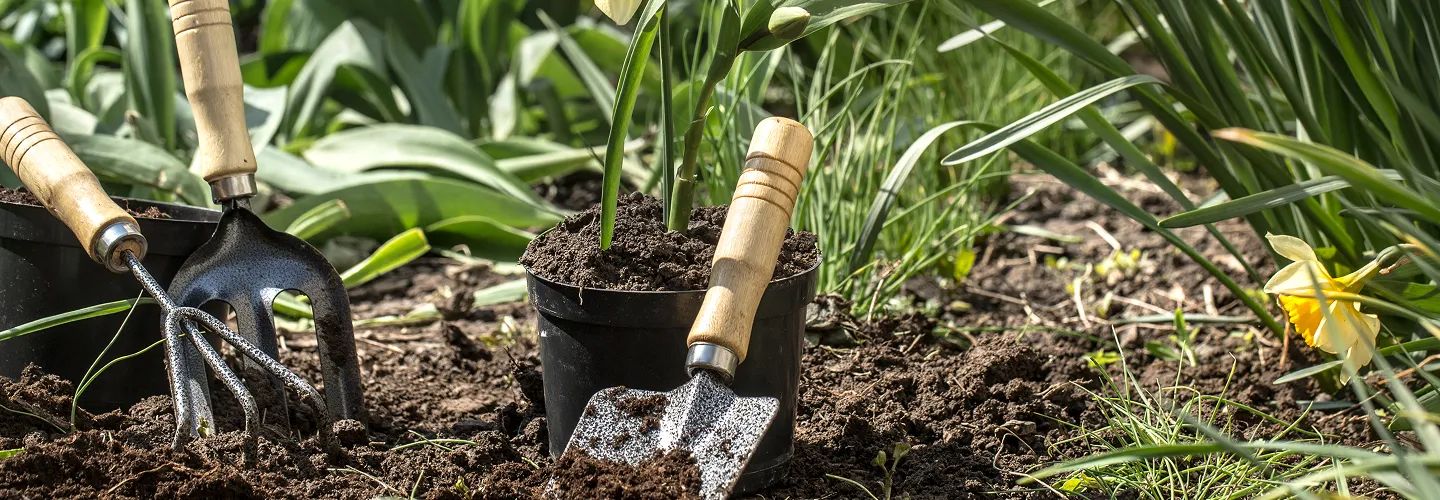
Central Falls Lawn Renovation Services
Choose our Lawn Renovation services for a lush, healthy yard—our experienced team uses proven techniques and premium materials to restore your lawn’s beauty and resilience, ensuring long-lasting results you can enjoy all season.
Get a Free QuoteOur Central Falls Landscaping & Yard Care Services
When to Schedule Lawn Renovation in Central Falls, Rhode Island – Seasonal Guide
In Central Falls, Rhode Island, the best times for lawn renovation are typically early fall and late spring. These periods offer moderate temperatures and consistent rainfall, which are ideal for seed germination and root establishment. The local climate, influenced by proximity to the Blackstone River and the urban landscape around Jenks Park, means lawns often face unique challenges such as compacted soils and variable shade from mature street trees. Frost dates in Central Falls usually extend into late April, so waiting until after the last frost ensures new grass isn’t damaged by unexpected cold snaps. Conversely, late summer heat and occasional droughts can stress new lawns, making early fall a safer bet for renovation projects.
When planning your lawn renovation, consider environmental factors like humidity levels, which can promote fungal growth, and the prevalence of clay-heavy soils in neighborhoods like Valley Falls. Tree density in areas such as Lonsdale Avenue can affect sunlight and moisture, while municipal guidelines—available through resources like the City of Sudbury’s website—may influence when and how you can perform certain landscaping activities. By tailoring your renovation schedule to these local conditions, you’ll set your lawn up for long-term health and curb appeal.
Local Factors to Consider for Lawn Renovation in Central Falls
- Tree density and shade coverage, especially near Jenks Park and Lonsdale Avenue
- Soil type (clay-heavy or compacted urban soils)
- Frost dates and risk of late spring cold snaps
- Summer drought risk and precipitation patterns
- Humidity levels and potential for fungal issues
- Terrain and drainage, particularly in older neighborhoods
- Municipal restrictions or guidelines on lawn care activities
Benefits of Lawn Renovation in Central Falls
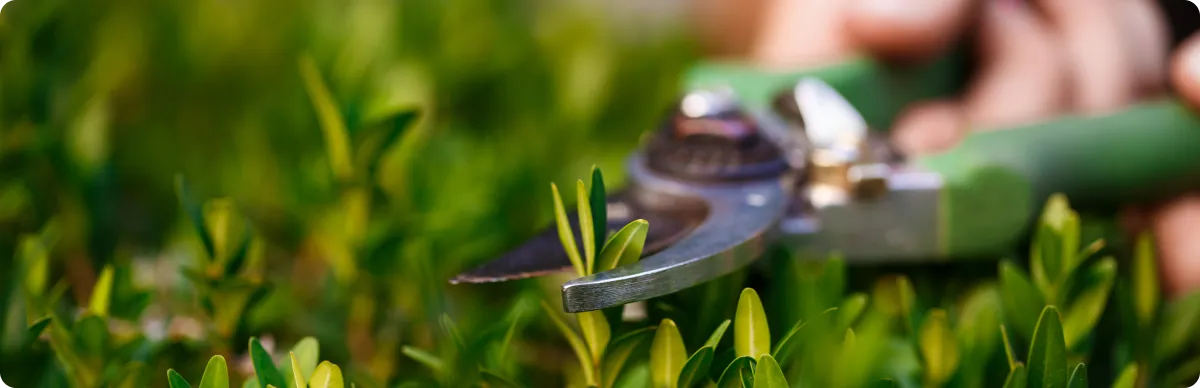
Enhanced Curb Appeal
Improved Soil Health
Weed and Pest Reduction
Thicker, Greener Grass
Increased Property Value
Customized Lawn Solutions
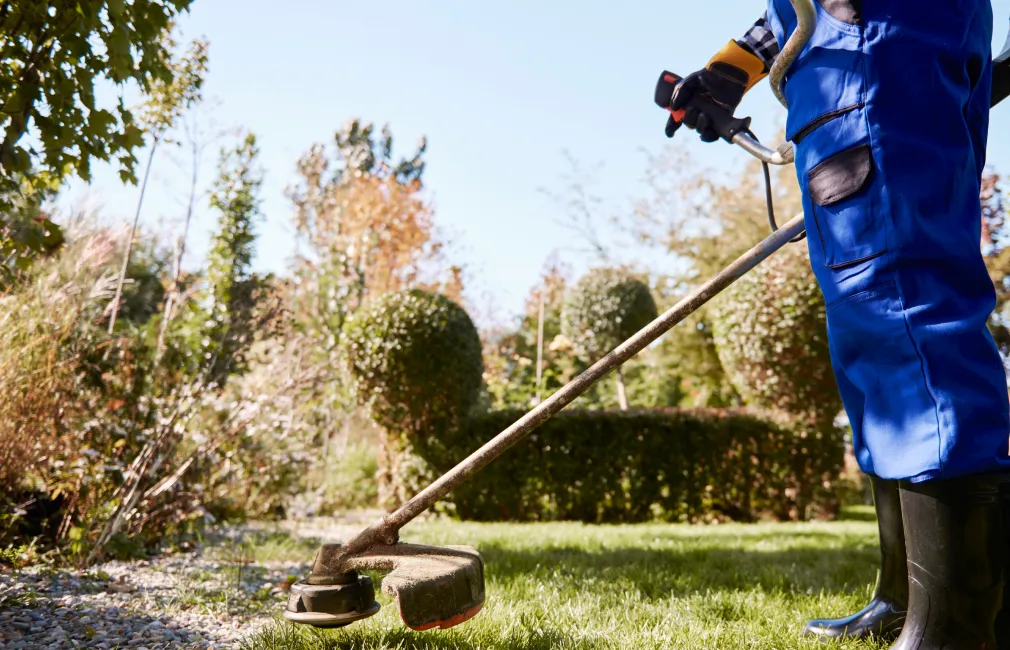
Central Falls Lawn Renovation Types

Sod Installation
-
Hydroseeding
-
Overseeding
-
Aeration and Dethatching
-
Soil Amendment
-
Weed and Pest Control
-
Complete Lawn Replacement
Our Lawn Renovation Process
Site Evaluation
Soil Preparation
Seeding or Sodding
Watering and Fertilization
Ongoing Maintenance
Why Choose Central Falls Landscape Services
-
Central Falls Homeowners Trust Us
-
Expert Lawn Maintenance
-
Competitive Pricing
-
Professional Team
-
Satisfaction Guarantee
-
Personalized Service
-
Reliable Scheduling
Central Falls’s Glacial Till Soils and Lawn Renovation Best Practices
Lawn renovation in Central Falls requires careful consideration of the city’s predominant glacial till soils, which are classified as Inceptisols and Udults according to the USDA Web Soil Survey. These soils are typically rocky, moderately acidic (pH 5.5-6.5), and often poorly drained, with a seasonal water table at 12-18 inches. For effective renovation, core aeration should reach a depth of 2-3 inches, with multiple passes recommended in compacted areas. Soil amendments such as lime are advised if pH falls below 6.0, and compost should be incorporated at 2-3 inches tilled to a 6-inch depth. Soil testing is available through the University of Rhode Island Cooperative Extension for a typical fee of $15-25. These practices help address compaction and nutrient deficiencies common in Central Falls lawns, supporting healthy turf establishment and long-term resilience.
Municipal Coordination for Lawn Debris and Renovation Waste in Central Falls
Proper disposal of renovation debris, including sod, soil, and grass clippings, is regulated by the City of Central Falls. Weekly yard waste collection occurs every Thursday from April through November. Accepted materials include leaves, grass, and brush under 4 feet in length, placed in biodegradable bags or reusable bins (32-gallon maximum). Plastic bags and branches over 4 inches in diameter are prohibited. Residents must comply with the city’s MS4 stormwater permit, which prohibits yard waste in storm drains under the Clean Water Act. For questions on collection schedules or container requirements:
Central Falls RI Department of Public Works
580 Broad Street, Central Falls, RI 02863
Phone: (401) 727-7455
Official Website: Central Falls RI Department of Public Works
Failure to follow these guidelines may result in fines or collection refusal.
Timing Lawn Renovation in Central Falls’s Cool-Season Climate
Central Falls is located in USDA Hardiness Zone 6b, with a cool-season climate that supports Kentucky bluegrass (Poa pratensis) and perennial ryegrass (Lolium perenne). Optimal renovation windows are April 15–May 30 (soil temperature 50–65°F) and August 20–September 30, before the first frost (typically late October). Avoid seeding or major renovation during June–August due to heat stress. Fertilization is best performed in early May and again in September, applying 2–3 lbs of nitrogen per 1,000 sq ft annually. For weather-specific timing, consult the National Weather Service Boston/Norton Office. These timing guidelines help ensure successful seed establishment and minimize weed competition, aligning with local climate patterns and growing season constraints.
Environmental Compliance: Wetland Buffers and Stormwater in Central Falls
Lawn renovation projects near wetlands, the Blackstone River, or mapped stormwater features must comply with local and state environmental regulations. The Rhode Island Environmental Rights Act and the city’s MS4 permit require a 25-foot no-disturbance buffer from wetlands and prohibit fertilizer application within 50 feet of water bodies. Clippings and soil must not enter storm drains or waterways. The Rhode Island Department of Environmental Management oversees state-level compliance, while the city enforces local ordinances. For guidance on buffer zones and stormwater management:
Central Falls RI Code Enforcement
580 Broad Street, Central Falls, RI 02863
Phone: (401) 727-7480
Official Website: Central Falls RI Code Enforcement
Violations may result in enforcement actions under the EPA NPDES Program.
Equipment Operation Hours and Safety Standards for Lawn Renovation in Central Falls
Lawn renovation activities in Central Falls are subject to municipal noise ordinances and safety requirements. Equipment operation is permitted during the following hours:
- Monday–Friday: 7:00 AM – 7:00 PM
- Saturday: 8:00 AM – 6:00 PM
- Sunday and holidays: Prohibited All operators must use commercial-grade equipment with functioning mufflers, and noise levels must not exceed 85 decibels at property lines. Personal protective equipment (PPE) is required, including:
- Eye protection: ANSI Z87.1 safety glasses
- Hearing protection: Earmuffs or plugs for 85+ dB
- Footwear: Steel-toed, non-slip boots
- Gloves: Cut-resistant for pruning, chemical-resistant for applications For questions on safety standards or noise compliance:
Central Falls RI Code Enforcement
580 Broad Street, Central Falls, RI 02863
Phone: (401) 727-7480
Official Website: Central Falls RI Code Enforcement
What Neighborhoods Do We Serve Throughout Central Falls, RI?
- Valley Falls: Characterized by older homes and compact lots, this area often faces soil compaction and drainage challenges due to historic development patterns and proximity to the Blackstone River.
- Dexter Street Corridor: High-density residential and mixed-use properties here require careful scheduling for equipment access and compliance with noise ordinances due to close property lines.
- Jenks Park Area: Near the city’s largest park, this neighborhood features mature trees and variable shade, impacting grass species selection and renovation timing.
- Broad Street District: Commercial and multi-family properties dominate, with frequent utility easements and limited green space, necessitating coordination with city infrastructure projects.
- Lonsdale Avenue: This corridor includes both residential and light industrial parcels, with potential for soil contamination and the need for enhanced safety protocols during renovation.
- Sacred Heart Neighborhood: Known for its historic housing stock and narrow streets, this area presents access limitations and may require special consideration for debris removal and equipment staging.
- Central Street Area: Features a mix of single-family and multi-unit dwellings, with moderate tree cover and typical urban soil compaction, requiring thorough aeration and soil amendment during renovation.